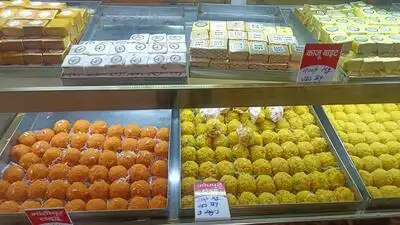











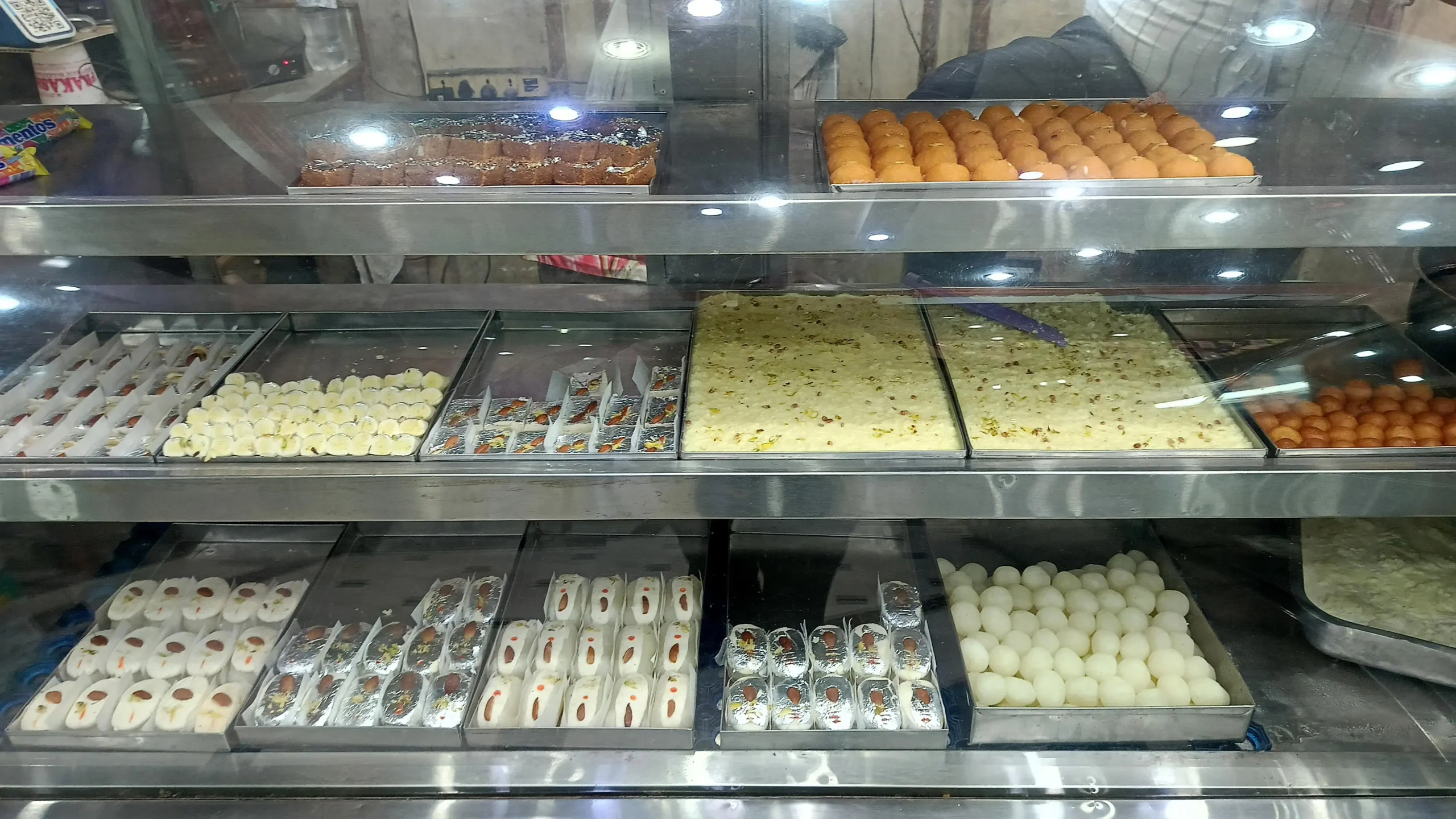
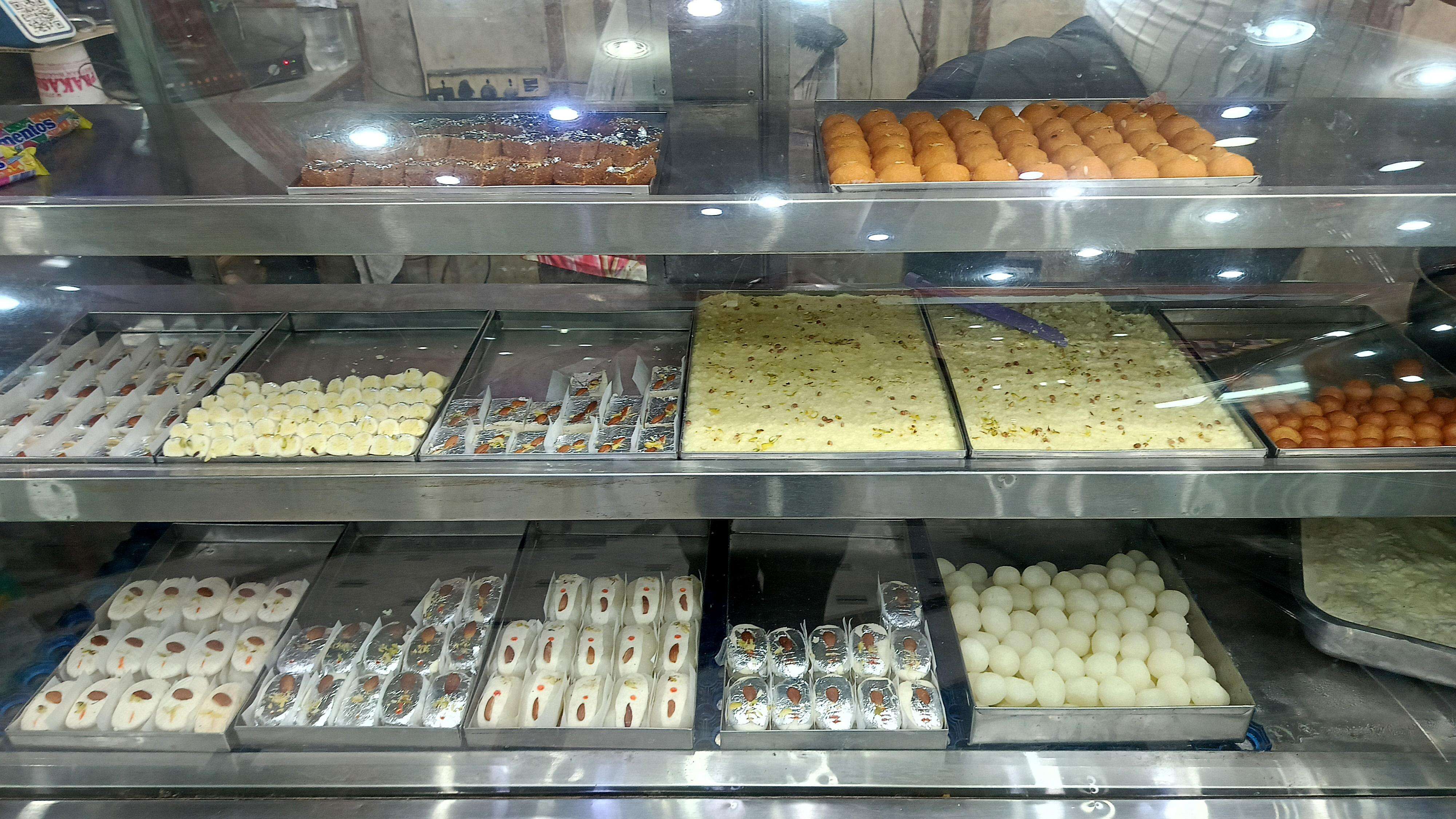
Ghaziabad: The colourful sweets and snacks displayed at sweet shops, eateries and street-food counters often catch consumers’ eyes. But the colours that make a bright red laddoo, a striking yellow imarti or a tandoori snack look appealing may, in some cases, come from unauthorised industrial dyes added during preparation.The dyes are often found in loose products found in the market. Although consumers might not buy these loose products, the possibility of prohibited dyes being used in food sold by businesses remains.Ahead of the festive season, Ghaziabad’s food safety department has found several food samples as substandard, unsafe or misbranded in its latest testing report. The samples, collected before Sept 26, included sweets, non-milk products, spices and namkeen. UP has also issued guidelines warning food businesses against prohibited industrial dyes such as Rhodamine B, Metanil Yellow and Sudan dyes.“Coloured food items naturally catch my attention because they look attractive, fresh and more appealing than dull-looking products. When sweets, candies or other food items have bright colours, they look more tempting, especially to children,” a Noida resident, Jitendra Kumar, said. “We don’t always think about whether these colours are natural or artificial, or whether they could be harmful.”However, of the 46 sweet samples tested before Sept 26, 16 were found substandard and two unsafe. Among 51 non-milk product samples, 11 were substandard and eight unsafe. Of 75 spice samples, 31 were substandard and 17 unsafe, with colour identified as a concern. Among 13 namkeen samples, two were misbranded and three unsafe. Food department officials said they had not named the outlets in the report to avoid creating panic among consumers.Industrial dyes raise health concernsFood colouring is not inherently unsafe. India’s food safety regulations permit natural and synthetic colours in specified food categories and within prescribed limits. The concern arises when businesses use industrial dyes not approved for food, add colours to products where their use is prohibited or exceed permitted limits.“Natural and synthetic colours are permitted for specified food categories under India’s food safety regulations. The concern arises when businesses use industrial dyes not approved for food, add colours to products where their use is prohibited or exceed prescribed limits,” Ghaziabad’s assistant commissioner (food) Suresh Mishra said.Industrial dyes may also appeal to manufacturers because of their cost and the intensity of colour they provide. “Bright colours can also make products more appealing and influence consumer choices. However, these dyes can pose serious health risks, depending on the substance and the level of exposure,” he added.UP’s food safety and drug administration guidelines list several prohibited industrial dyes, including Rhodamine B, Metanil Yellow, Butter Yellow, Malachite Green, Auramine, Orange II and Sudan dyes. These substances are used in colouring textiles and paper and are readily available in the market.The guidelines warn that exposure to non-permitted dyes can pose health risks, including adverse effects on the liver and kidneys, allergic reactions and other health problems. Certain industrial dyes have also raised concerns about potential carcinogenic effects. The nature and severity of the risk depend on the chemical involved, the quantity consumed and the duration of exposure.Rhodamine B, a bright pink or red industrial dye, has been flagged for possible illegal use in cotton candy, brightly coloured sweets, chutneys and tandoori preparations. The guidelines prohibit its use in cotton candy and ice candies.Metanil Yellow may be illegally used to intensify the colour of laddoos, imarti and boondi, as well as turmeric and arhar dal. Butter Yellow has been flagged for possible adulteration of edible oil and turmeric, while Auramine may be used to colour roasted gram, pulses, sweets and snacks. Sudan dyes have also been associated with adulteration of chilli powder, curry powder, garam masala, seasonings, palm oil and packaged sauces.Permitted dyes have limits tooApproved food colours must be used only in categories where they are permitted and within prescribed quantities. “For certain categories of sweets and confectionery, the maximum limit for synthetic colours is 100 mg per kg. The state guidelines caution businesses against pouring colours directly from open sachets or adding them by guesswork,” Mishra said.The rules also prohibit adding colours to several everyday foods, including milk, plain curd, paneer, natural fruit juices, fresh fruits, raw vegetables, ground spices, tea, coffee, packaged drinking water, cereals, pulses, flour, edible oils, jaggery and honey. Prepared foods such as cooked dal, vegetables, biryani and chutney are also covered by the restrictions under applicable provisions.For street-food vendors, the guidelines specifically advise against adding chemical colours to red and green chutneys served with samosas, chaat, momos and rolls. Tomatoes, beetroot, coriander and mint can instead be used to achieve colour and flavour. Vendors preparing chicken tikka, kebabs, chaap and fried fish have also been warned against using industrial dyes to give food a bright red appearance.Principal director and head of gastroenterology at Max Super Speciality Hospital in Vaishali, Dr Subhasish Mazumder, advised consumers to be cautious about coloured food products from unreliable sources. “Just colour alone does not indicate the adulteration of food. Purchasing food products from reliable suppliers and inspecting their ingredient labels are more dependable measures,” he said.