










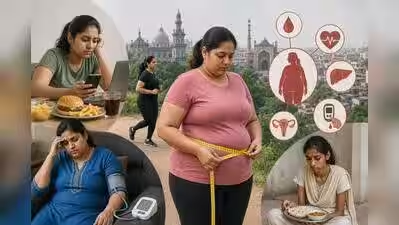
Lucknow: One in three women aged 15-49 years in the city is overweight or obese, a trend that health experts say could fuel an increase in diabetes, hypertension and cardiovascular diseases in the coming years.According to the National Family Health Survey-6 (NFHS-6), the proportion of overweight or obese women in Lucknow rose to 37.8% in 2023-24 from 34.8% in 2019-21.The prevalence is higher than the state average of 26.7% recorded in NFHS-6. Across UP, the figure stood at 36.7% in urban areas and 23.7% in rural areas, highlighting the growing burden of obesity in cities.Experts attribute the rise to reduced physical activity, higher consumption of calorie-dense foods, longer working hours, increased screen time and stress-related eating habits. Urbanisation has further contributed to these changes.Ram Manohar Lohia Institute of Medical Sciences head of medicine, Prof Vikram Singh, said excess fat can interfere with the body’s ability to regulate blood sugar by affecting insulin production and response.“Obesity is a major risk factor for diabetes. It affects insulin production and the body’s response to insulin, increasing the likelihood of high blood sugar levels,” he said.Healthcity Vistaar Hospital managing director, Dr Sandeep Kapoor, said obesity is linked to hypertension, cardiovascular disease, fatty liver disease, sleep disorders and complications during pregnancy. Among women, it can also affect reproductive health and increase the risk of conditions such as polycystic ovary syndrome. “Women should adopt health habits to reduce the weight,” he added.The survey also points to another concern. While incidence of obesity has increased, the proportion of underweight women has risen too. According to NFHS-6, 17.7% of women aged 15-49 years in the city had a body mass index (BMI) below 18.5 kg/m² in 2023-24, compared with 15.7% in 2019-21.KGMU’s Prof Ajay Patwa described the situation as a “double burden of malnutrition”, where undernutrition and obesity coexist within the same population.The findings suggest that while some women consume excess calories, many continue to face inadequate nutrition. He noted that people can be overweight and still lack essential nutrients if their diets are dominated by processed foods high in sugar, salt and unhealthy fats.The simultaneous rise in underweight and overweight women points to widening nutritional inequalities. Patwa said addressing the issue would require greater nutrition awareness, promotion of physical activity, access to nutritious foods and regular screening for diabetes and other lifestyle-related diseases.