







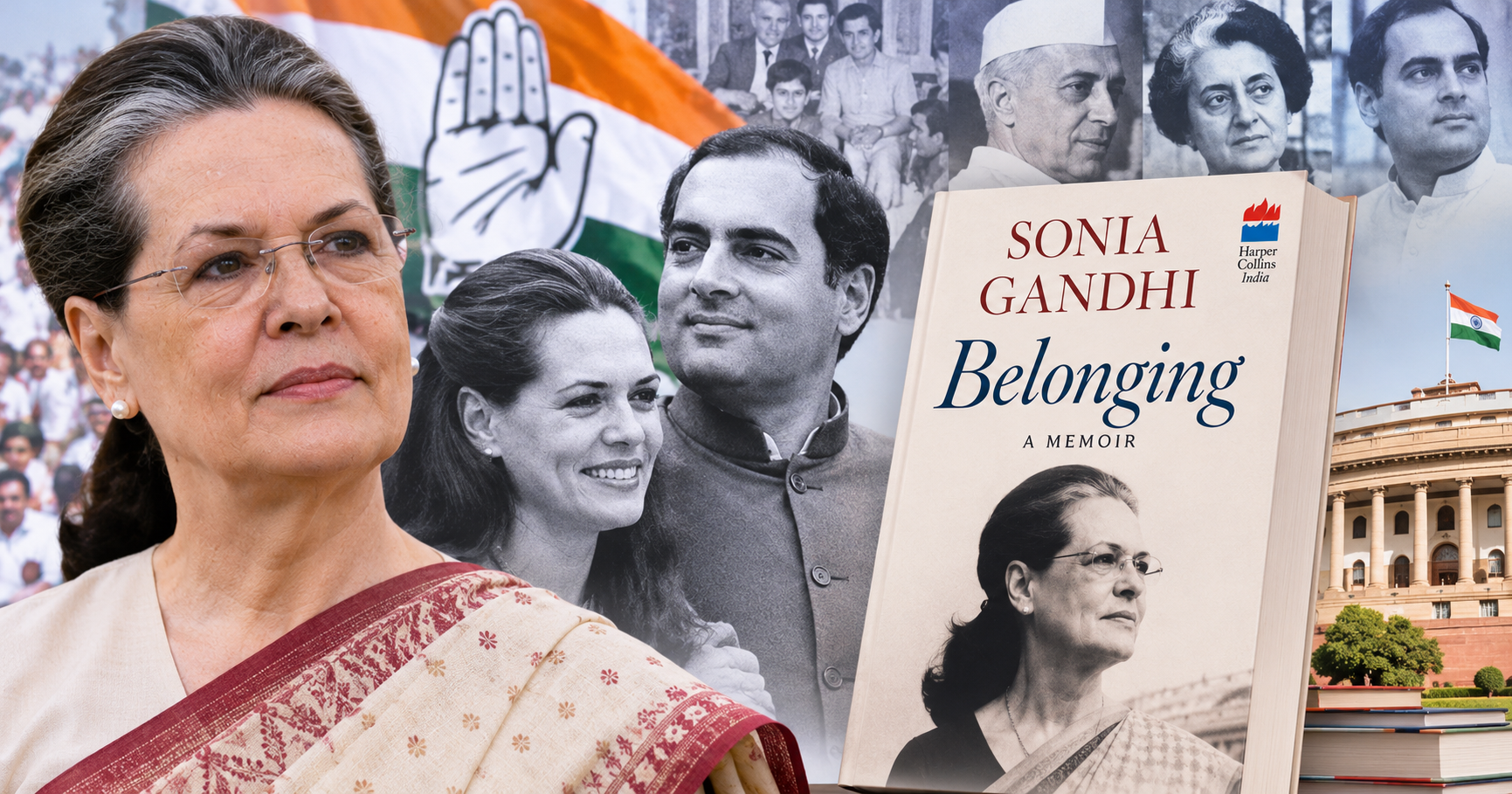
A 544-page memoir by one of India’s most private public figures reaches bookshelves today. It is a love story, a catalogue of family grief and, whether its author likes it or not, a political event. From a young Italian woman who fell in love with an Indian student to one of the most influential women in Indian politics, Sonia Gandhi’s memoir explores love, sacrifice, family tragedy and the making of a political legacy. But as the book enters the public domain, its November 10 release has also opened a fresh political debate over the Nehru-Gandhi family, the Emergency, the BJP, the RSS and India’s changing political identity.
By North India News | Special Political & Editorial Analysis
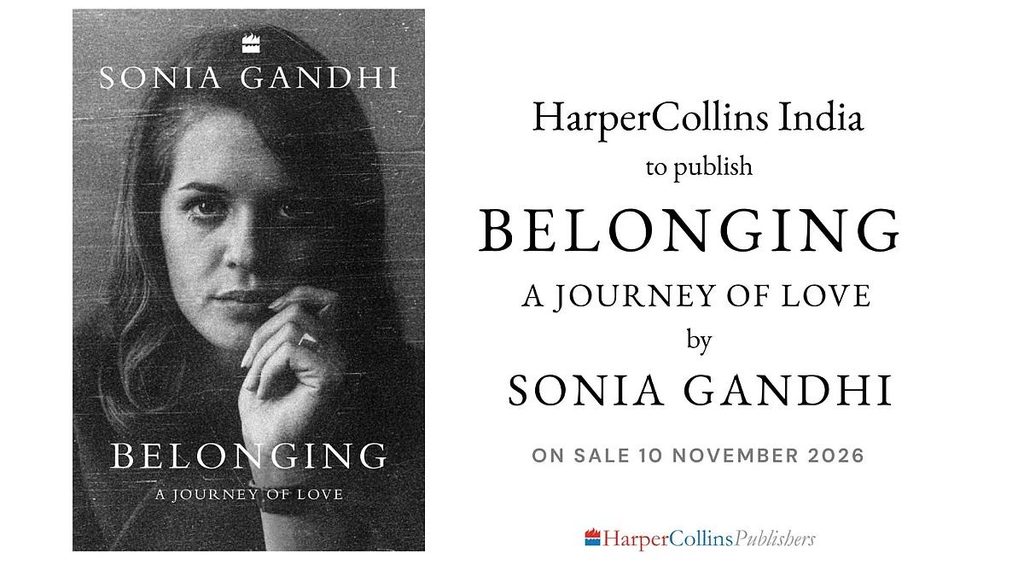
NEW DELHI: Some love stories remain personal, while others become part of history. Sonia Gandhi’s Belonging: A Journey of Love brings together both. The memoir traces her journey from Italy to India, her relationship with former Prime Minister Rajiv Gandhi, the personal tragedies she experienced and her eventual emergence as a major political figure. Released on November 10, 2026, the 544-page book offers a personal account of a family whose history has remained closely connected with Indian politics.
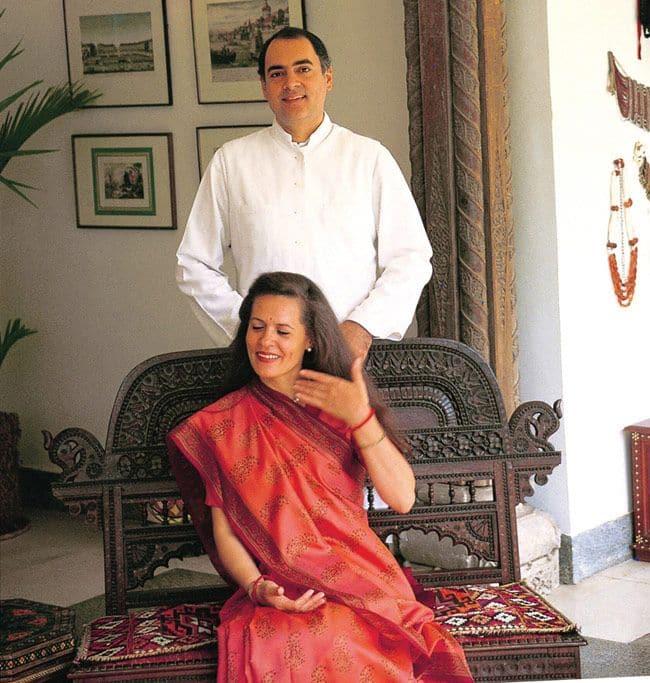
At the heart of the memoir is a relationship that began in 1965 in Cambridge, England, when 19-year-old Sonia Maino met Rajiv Gandhi. Their relationship developed into marriage in 1968, after which Sonia moved to India and became part of the Nehru-Gandhi family. Rajiv was not pursuing a political career at the time, making their relationship more than simply a marriage into a powerful political household. Sonia’s journey involved adapting to a new country, culture and way of life while building a family with Rajiv.
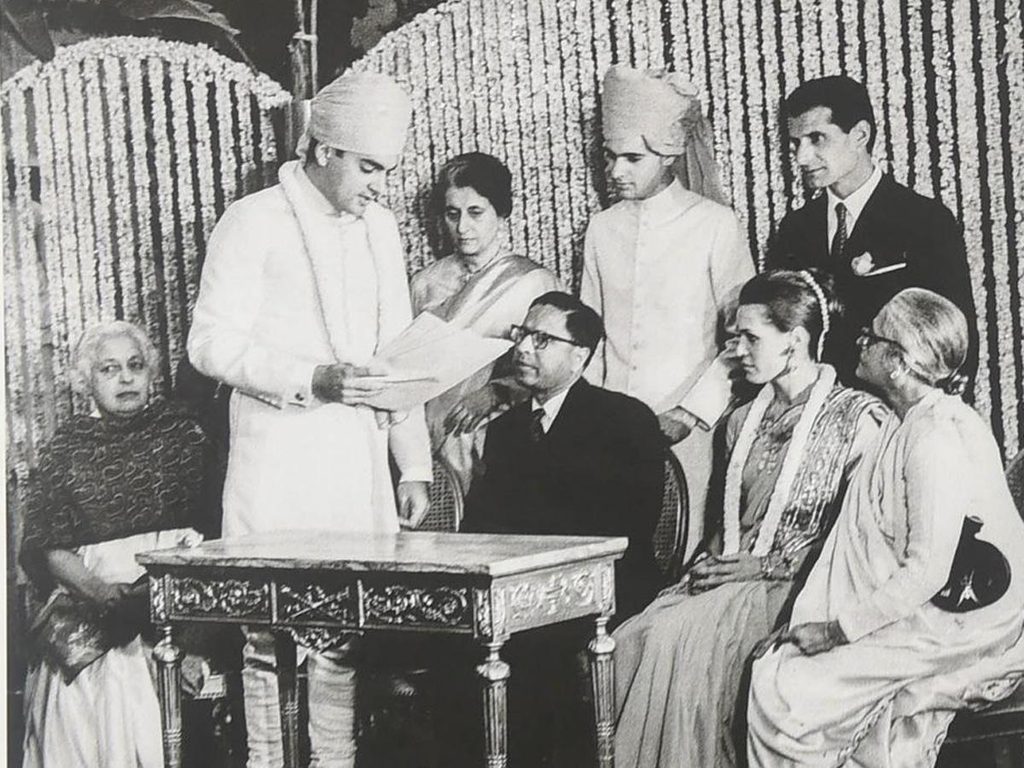
One of the most emotional revelations concerns the couple’s first child, who was born prematurely in January 1969 and survived only a few hours. Sonia recalls the grief she and Rajiv experienced and how the family dealt with the loss. The memoir also revisits the assassinations of Indira Gandhi in 1984 and Rajiv Gandhi in 1991, two devastating events that profoundly changed Sonia’s life. These experiences bring a deeply personal dimension to a story that is often discussed only through the lens of politics.
The memoir presents Sonia and Rajiv’s relationship as a story of love, commitment and shared hardships. However, its larger message should not be reduced to the idea that a woman must sacrifice her identity to prove her love. Sonia’s decision to leave Italy and make India her home was a personal choice. Her experiences also highlight the challenges of maintaining an individual identity while becoming part of a family with enormous public responsibilities.
A tribute to the Nehru-Gandhi family?
The book can be seen partly as a tribute to the Nehru-Gandhi family, particularly through its recollections of Indira and Rajiv Gandhi. It attempts to present them not only as political leaders but also as family members with emotions, relationships and personal struggles. However, the family’s personal sacrifices and political legacy must be examined separately. While the family experienced extraordinary tragedies, its political decisions remain open to historical scrutiny.
One significant subject is the Emergency imposed by Indira Gandhi in 1975. Sonia Gandhi acknowledges that the period was a mistake and discusses the role of Sanjay Gandhi. The Emergency remains one of the most controversial chapters in India’s democratic history, involving restrictions on civil liberties, press censorship and the imprisonment of political opponents. Acknowledging the mistake is important, but a complete assessment must also consider its wider institutional and democratic consequences.
Why the November 10 launch matters
The November 10, 2026, release comes at a politically significant time, with the Congress attempting to strengthen its position and the BJP continuing to dominate national political discourse. The book also arrives ahead of several important Assembly elections in 2027. Its timing could help bring Sonia Gandhi’s personal and political journey back into public discussion, particularly among younger readers who may have limited memories of the Congress-led UPA governments.
The publishing controversy has further increased interest in the memoir. Penguin Random House India was initially associated with its publication, but the arrangement did not proceed following editorial disagreements. HarperCollins India subsequently published the book on the announced date. Reports highlighted disagreements over politically sensitive references, including the Modi government and the RSS. However, Penguin Random House India denied that external political pressure was responsible for its decision. The episode has reopened an important debate about editorial independence, fact-checking and freedom of expression.
BJP and RSS reactions: A fresh political debate
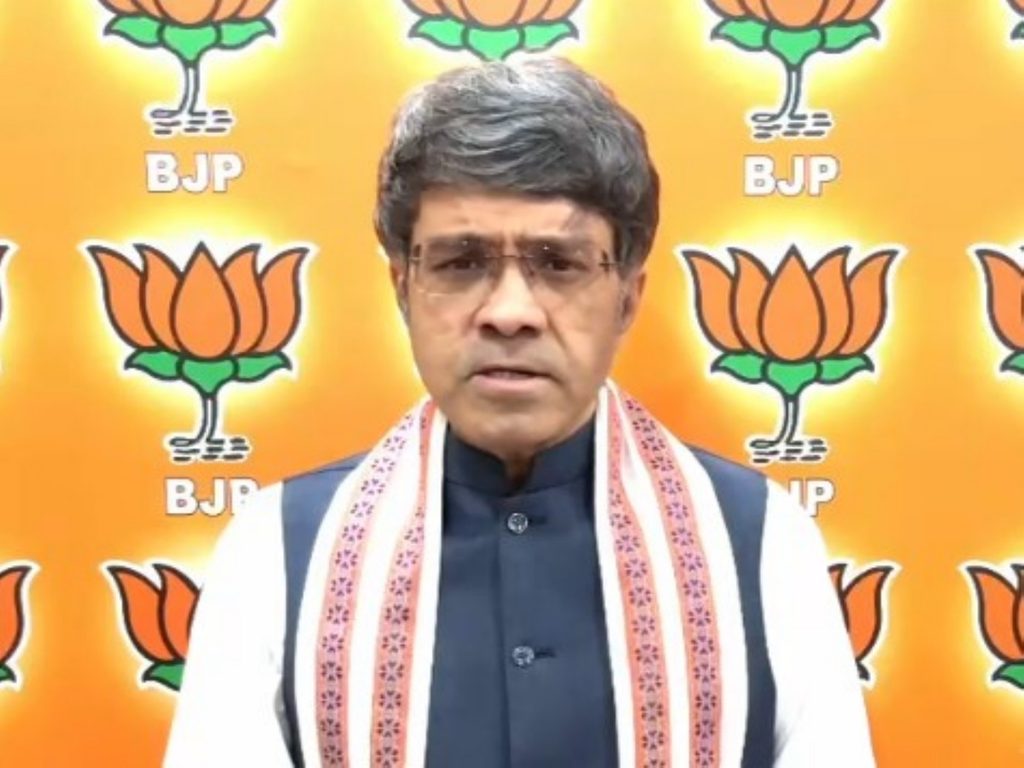
The BJP has criticised the memoir’s interpretation of the Congress and the Nehru-Gandhi family’s political history. BJP spokesperson C.R. Kesavan described the book as an attempt at ‘whitewashing’ the family’s legacy, particularly in relation to the Emergency and other controversial political episodes. The BJP’s argument is that personal tragedies should not overshadow questions of political accountability.
The RSS also features in the wider ideological debate surrounding the memoir. Sonia Gandhi has expressed criticism of the organisation and its influence on India’s political and institutional environment. This reflects the longstanding differences between the Congress’s emphasis on constitutional secularism and the BJP-RSS position on cultural nationalism. However, the BJP’s reaction should not automatically be treated as an official statement from the RSS.
Can Gen Z connect with Sonia Gandhi’s love story?
For Generation Z, the memoir offers themes that extend beyond party politics. A young woman moving to another country for love, adjusting to a different culture, experiencing personal loss and rebuilding her life may connect with younger readers facing questions about relationships, identity and independence. The story also opens discussions about intercultural relationships, commitment and emotional resilience.
The account of Sonia and Rajiv’s relationship may particularly interest young readers because it began before Rajiv entered politics. At the same time, the story should be read through a modern understanding of women’s independence. Love and commitment should not require a person to surrender individual aspirations or identity. The memoir’s relevance to Gen Z will depend on whether readers connect with its human experiences rather than viewing it only as a political document.
Political significance for the Congress
Sonia Gandhi’s memoir may help the Congress revisit its political history, particularly the UPA years and her decision to decline the Prime Minister’s position in 2004. Her account presents the decision as a personal choice influenced by her family and political circumstances. Supporters have long viewed it as an act of sacrifice, while critics have interpreted it differently. The memoir provides Sonia’s perspective but does not end the debate.
For the Congress, the book offers an opportunity to strengthen its historical narrative and reconnect with supporters. However, emotional accounts of the Gandhi family alone cannot address the party’s current political challenges. Employment, inflation, education, economic opportunities and organisational strength remain important issues for voters. The BJP, meanwhile, can use the memoir to revive questions about the Emergency, dynastic politics and the Congress’s governance record.
Strengths and limitations of the memoir
The biggest strength of Belonging: A Journey of Love is its personal perspective. It gives readers an opportunity to understand Sonia Gandhi beyond political speeches, election campaigns and controversies. Its account of her relationship with Rajiv Gandhi, the loss of their first child and the tragedies that affected the family adds an important human dimension to modern Indian political history.
Its limitation is that it remains a first-person memoir. Political events are presented through the author’s experiences and interpretation, and readers should compare historical claims with independent records and other accounts. Personal recollections can be valuable without necessarily providing a complete or impartial history. The book’s political observations and historical references therefore deserve careful examination.
A love story, a family history and a political document
Belonging: A Journey of Love brings together three important narratives: the relationship between Sonia and Rajiv Gandhi, the personal tragedies experienced by the Nehru-Gandhi family and Sonia’s journey into Indian politics. It may be a tribute to her family, but it also opens questions about political accountability, historical memory and the future of the Congress.
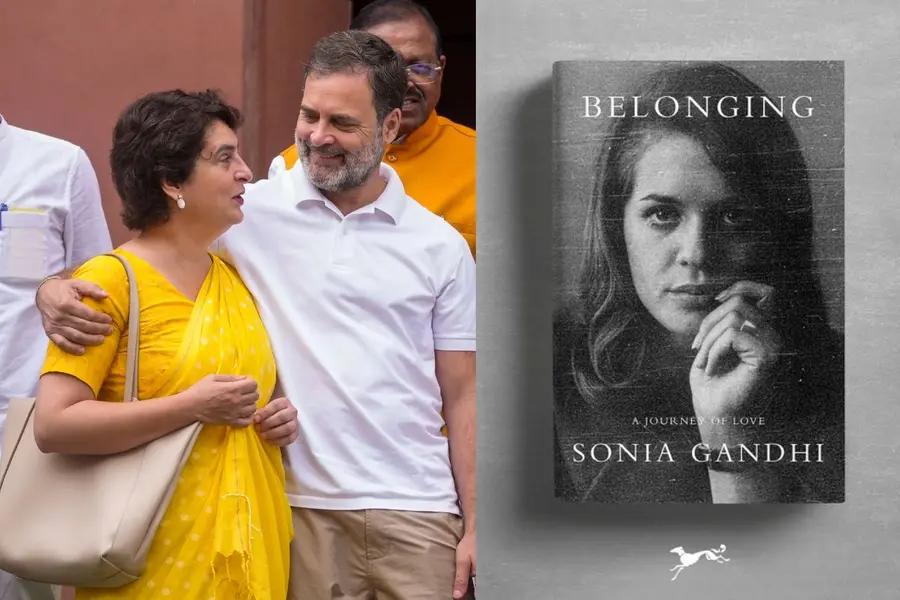
Ultimately, the book’s significance lies in its attempt to show the woman behind the politician. Readers may agree or disagree with Sonia Gandhi’s political views, but her personal experiences provide another perspective on a family that has shaped India’s political history.
The real value of the memoir will be determined not by political reactions or party loyalties, but by its ability to encourage a wider discussion about love, identity, sacrifice, family and the responsibilities of political leadership.