




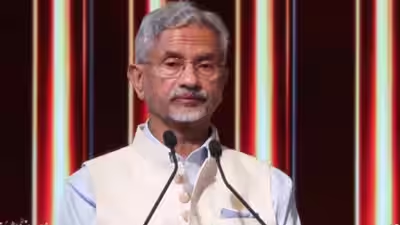
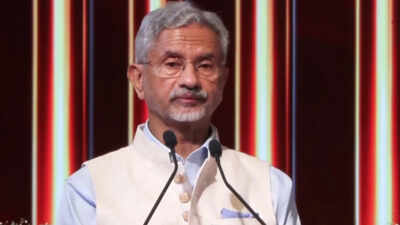
NEW DELHI: Urging UN to show leadership, and not remain a mere spectator to global crises, external affairs minister S Jaishankar said Sunday large parts of the world cannot be left out from decision-making. At an event on UN Day, he underlined the need for long-awaited reforms.“We live in an imperfect world but we all continuously strive towards greater perfection. Where UN is concerned, that means recognising its shortcomings and limitations and seeking its improvement. The case for reformed multilateralism gets stronger by the day,” he said.Jaishankar spoke about how countries with little say were paying the price for conflicts in West Asia and Ukraine. He also underscored the threat to peace from terrorism, saying its usage as an instrument of statecraft is simply unacceptable.“It can never be justified; it can never be rationalised. Yet, it continues because not all states really display zero-tolerance. Despite history holding so many lessons, some still allow political calculations to take precedence.”“The world must develop sharper awareness about this common threat. And it must come together with stronger resolve and counter terrorism in all its forms and manifestations,” he added.He said the world cannot advance half-prosperous and half-denied and in an era of intricate supply chains, of globalised markets and of common resources, this is simply a prescription for continuous instability.
Share your thoughts in the comments
Be respectful · TOI community guidelines
“The Global South today faces a 4F crisis: of finance, fuel, food, and fertiliser. The Global North must realise it has equal stakes in finding solutions. International economy must be urgently de-risked and nations provided with more diversified options. Market distortions through constriction and choke-points only add to suffering. A genuine dialogue in this regard is overdue,” the minister said.Underlining the significance of AI as the mother of all change, Jaishankar said something so sweeping and consequential cannot be left in the hands of just a few. “That would go counter to the trends of freedom and democratisation that the world has seen over the last eighty years,” he added.